Our Team
We strive to provide a mindful therapy that fosters a diverse, and inclusive culture to nurture Maria Montessori’s vision of empathy, compassion, and respect.
AMA Pediatric Therapy
We provide behavior intervention services within a Montessori setting, allowing children to learn alongside typically developing peers. This approach fosters social growth and helps address any gaps in social development.
Mission
At AMA Pediatric Therapy, we transform ABA by integrating evidence-based interventions into natural learning environments. Inspired by Montessori principles, our approach blends therapy with everyday experiences to promote real-world application.
By bringing neurodivergent and typically developing children together, we create inclusive spaces where every child can grow, connect, and thrive within a supportive community.
Vision
Our vision is to revolutionize ABA therapy by embedding it within educational environments, ensuring that children acquire and apply skills seamlessly in real-life settings. We aim to create an inclusive community where children with ASD grow and learn alongside their peers. By integrating Montessori principles and focusing on environment-specific learning, we aspire to set a new standard for effective, individualized therapy that leads to lifelong independence and fulfillment.
By emphasizing environment-specific learning and integration within typical classrooms, we address the challenges of generalization that are often encountered when skills are taught in isolated, clinical settings. Our approach ensures that children not only learn essential skills but also apply them confidently in the environments where they naturally interact and grow.
Faculty Attention
Campus Locations
AMA Pediatric Therapy vs. Traditional Therapy
| AMA Pediatric Therapy | Traditional Clinical Setting | |
|---|---|---|
| Real World Learning | Therapy is conducted in natural environments (e.g., classroom, social settings) to ensure skills are directly applicable to real-world situations, reducing the need for skill generalization. | Therapy typically occurs in a controlled, isolated clinic environment, which may not replicate the settings where children will use their skills, making it harder for children to transfer what they’ve learned into everyday life. |
| Social Integration | Children are integrated into typical classrooms with peers, promoting social inclusion and fostering natural peer relationships, allowing children with ASD to practice social skills in a real-world context. | Therapy is often provided in isolation, which may delay social integration and limit opportunities for children to practice and develop social skills alongside their peers. |
| Tailored Therapy | Programs are tailored specifically to each child’s unique needs, developed by a BCBA-D, ensuring that therapy is both personalized and effective. | Therapy often follows standardized, off-the-shelf programs that may not fully account for the child’s individual strengths, challenges, or specific needs. |
| Montessori Approach | The Montessori approach is used to foster independence, self-directed learning, and intrinsic motivation, using hands-on, sensorial materials that engage children actively in their therapy. | Traditional Clinical Setting: Traditional therapy settings tend to be more structured and therapist-directed, which can limit opportunities for children to build autonomy and internal motivation for learning. |
Core Values
01
Individualized Care
02
Inclusive Integration
03
Montessori Principles
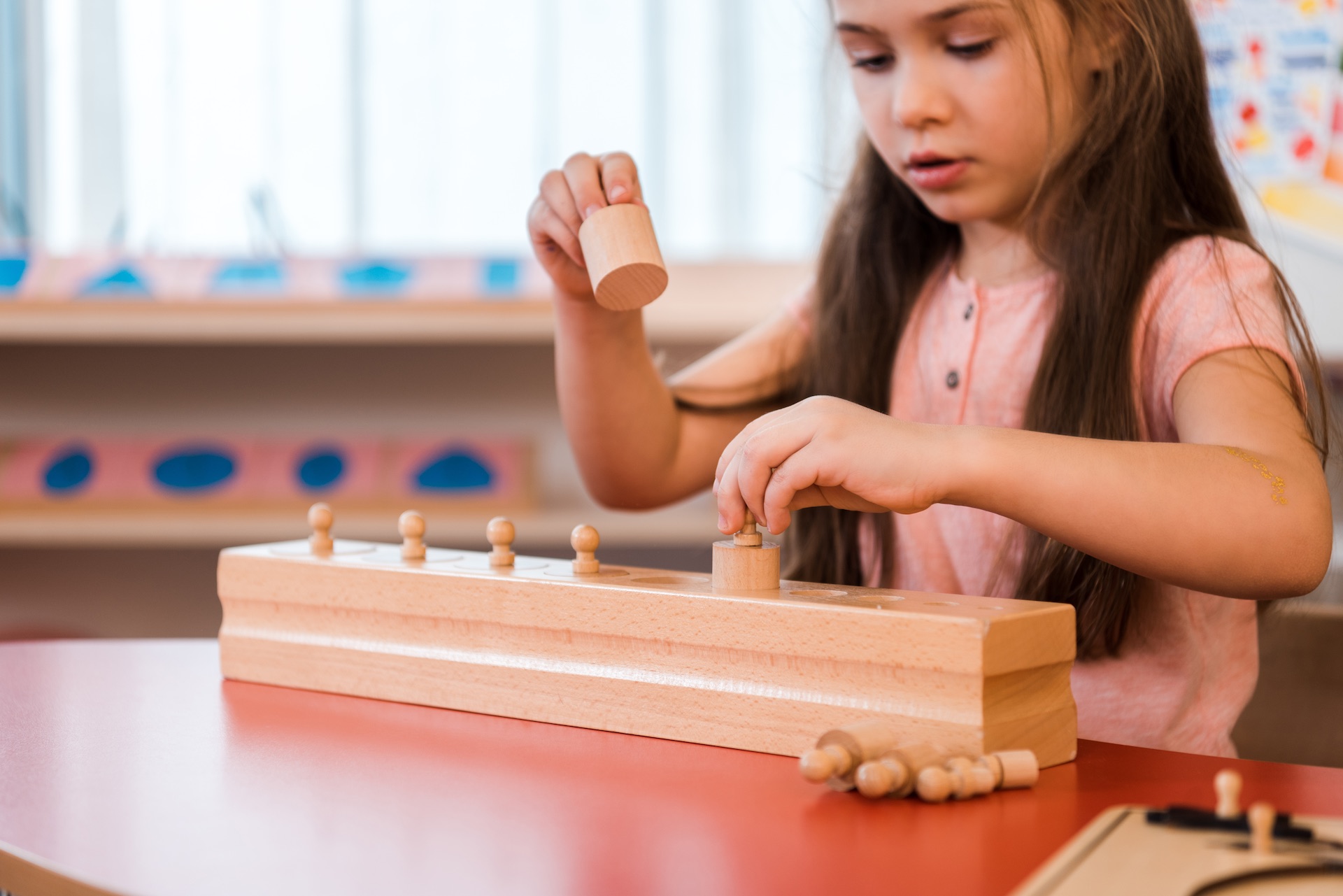
We weave core Montessori philosophies into every session, fostering independence, hands-on learning with sensorial materials, and a child’s intrinsic motivation to explore. Therapy feels like purposeful play, so children stay engaged and new skills take root naturally.
04
Overcoming Traditional Barriers
05
Holistic Development
06
Respect and Empowerment
07
Innovation in Therapy
08
Continuous Growth
O u r T e a m
AMA Pediatric Therapy has a multidisciplinary team of Board Certified Behavior Analysts (BCBAs), Registered Behavior Technicians (RBTs), Developmental Therapists, and Certified Montessori Educators working in close partnership to deliver child-centered therapy.
BCBAs develop individualized behavior intervention plans and oversee the implementation of behavior strategies, while RBTs apply these plans in both one-on-one and group settings under continuous supervision.
To ensure a comprehensive and well-rounded approach to each child’s development, we collaborate closely with Speech-Language Pathologists (SLPs) and Occupational Therapists (OTs), frequently co-treating to support communication, sensory integration, and functional daily living skills alongside behavioral goals.
Alison Dadrass
MSW, LSW, LBA, BCBA
Co-Founder/Executive Director
Alison Dadrass holds a Master’s in Clinical Social Work from the Crown Family School of Social Work, Policy, and Practice at the University of Chicago, and a B.A. in Applied Psychology from the University of Illinois Chicago.
Dr. Stephanie Swain
M.A., LBA, IBA, BCBA-D, PhD.
Clinical Supervisor
Dr. Stephanie Swain offers the highest quality training and consultation in ABA concepts and techniques. Dr. Swain earned her Ph.D. in Applied Behavior Analysis from The Chicago School of Professional Psychology.
Mahdi Dadrass
Co-Founder
Mahdi Dadrass is the Chief Executive Officer and Co-Founder of American Montessori Academy (AMA), a Chicago-based network of Montessori schools now serving roughly 500 students across multiple campuses. He drives strategy, operations, and expansion throughout the AMA educational ecosystem.





What to Expect
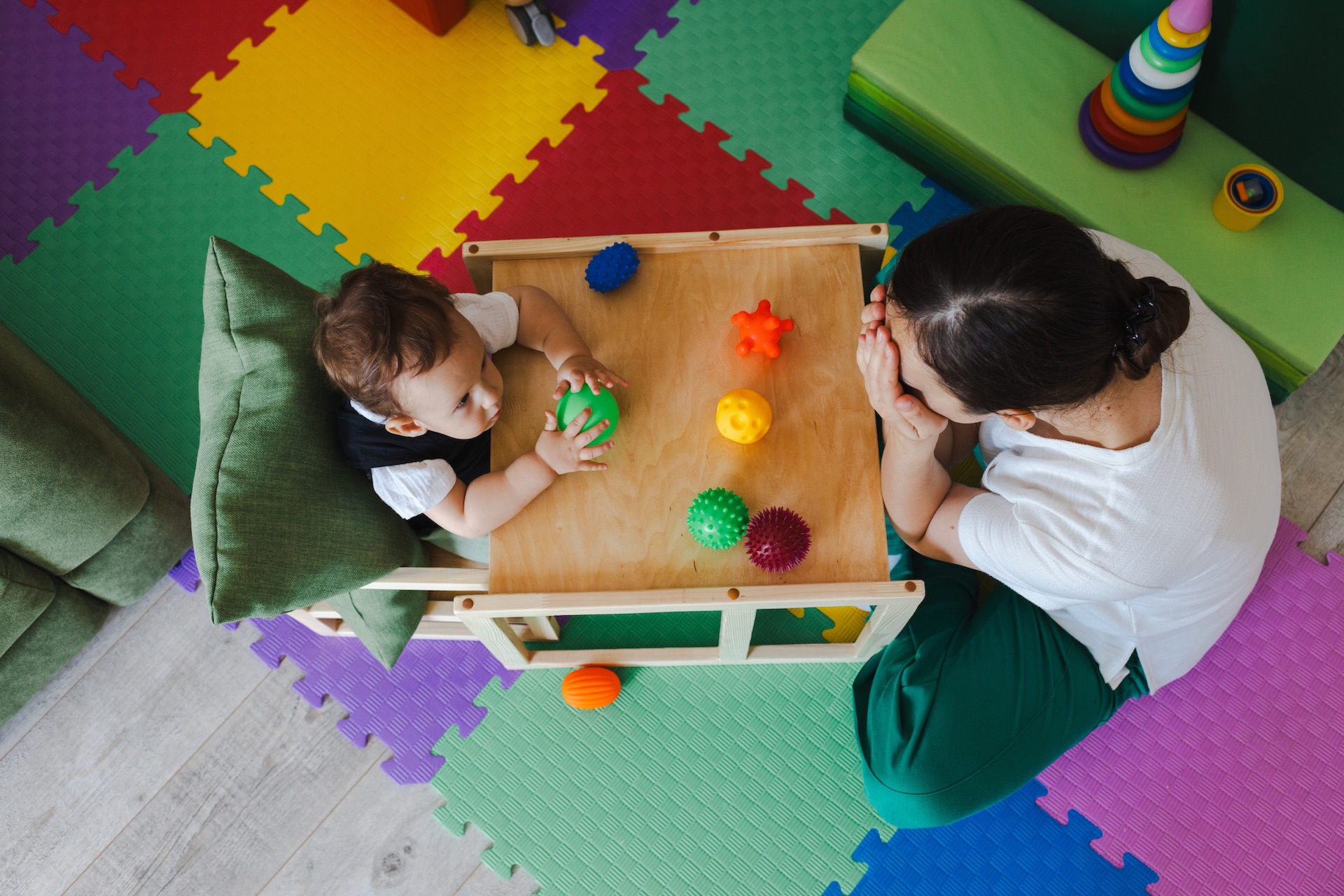
Begin your journey with AMA Pediatric Therapy by meeting our team for an initial intake and strategic planning session. A BCBA will conduct comprehensive assessments to understand the unique needs of your child and family. Based on these insights, the BCBA will design a personalized intervention plan tailored to support meaningful growth and accelerate your child’s development and learning. This includes elements that:
- Reduce aggression and other challenging behavior
- Improve adaptive behavior and cognitive development
- Increase self-expression and language development
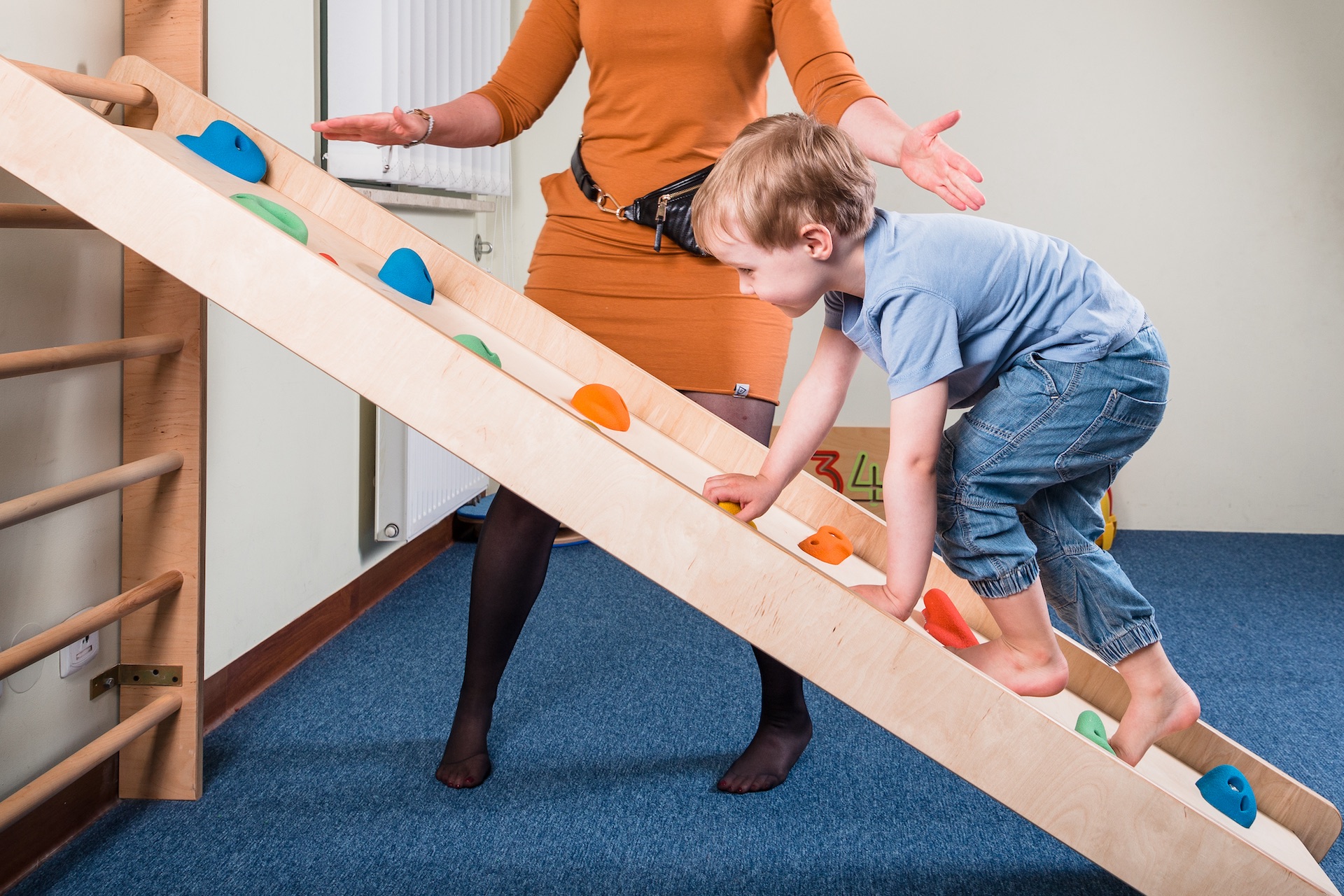
- Improve motor skills and promote coordination through practical life activities
- Develop social skills
- Develop sensory regulation
- Activate the child’s natural desire to learn
A carefully curated team of Behavior Therapists and Registered Behavior Technicians will then provide one-on-one and group based ABA services within the Montessori environment.
B e h a v i o r C h a n g e P l a n s
Our behavior plans are designed with care, using evidence-based strategies to teach new skills while reducing challenging behaviors.
Additionally, our BCBAs provide caregivers with practical training to navigate daily behavioral challenges and reinforce the skills introduced during therapy sessions.
We recognize that a primary key to success is collaboration to build communication and relationships amongst the AMA Pediatric team of professionals, children, caregivers, and the extended community.